Free AI Lenormand reading online.
How it works
- 01
Ask
Write what is on your mind, or skip the question and draw a card for the day.
- 02
Draw
Shuffle online, or enter the cards from your own deck. Each card lands in its labeled position.
- 03
Read
Card meanings and pair combinations are free. Sign in for a personal AI reading of your question.
More ways to read
Follow one matter, not just one draw
Real questions run for days. Keep every draw, your own updates and your follow-up questions in one place, and pick the matter up again tomorrow.
Free accounts get 3 follow-up uses. Members’ AI remembers the whole story.
Start your first matterExample · An illustration, not a real person’s reading.
- Monday
You ask: “Should I follow up after my interview?” and draw three cards.
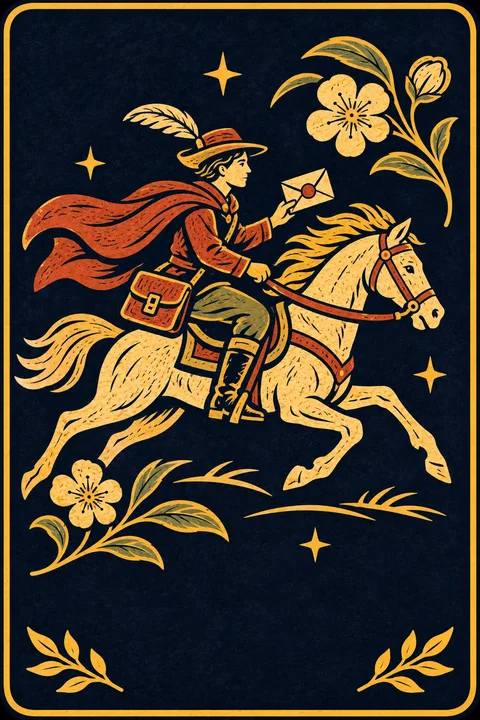
Rider 
Letter 
Mountain Rider → Letter connects movement or contact with writing. Letter links that contact to Mountain, which can slow or obstruct its delivery, handling or understanding. This can frame a distinction between a message not yet delivered and one received but awaiting a response; neither is confirmed by the cards. Check any actual delivery or receipt record before deciding whether a follow-up is useful.
- Tuesday
You add a note: “A second interview is scheduled for Friday.”
- Thursday
You ask about Monday’s cards again: “Now that a second interview is set, how do I read the Mountain?”
The AI works from Monday’s cards and your Tuesday note.
What is Lenormand?
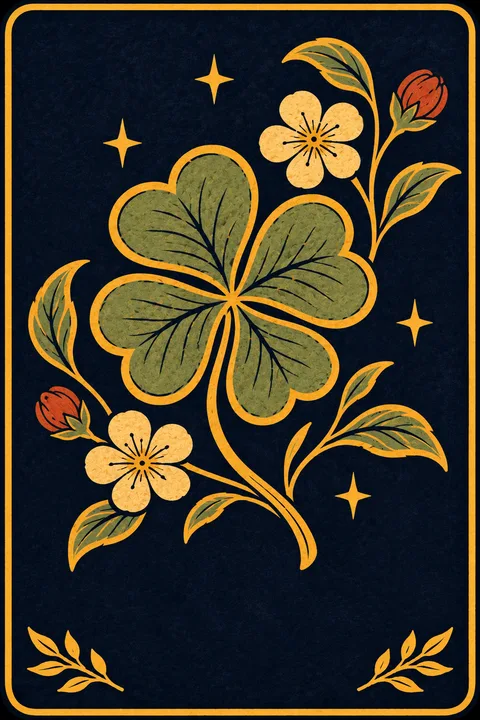
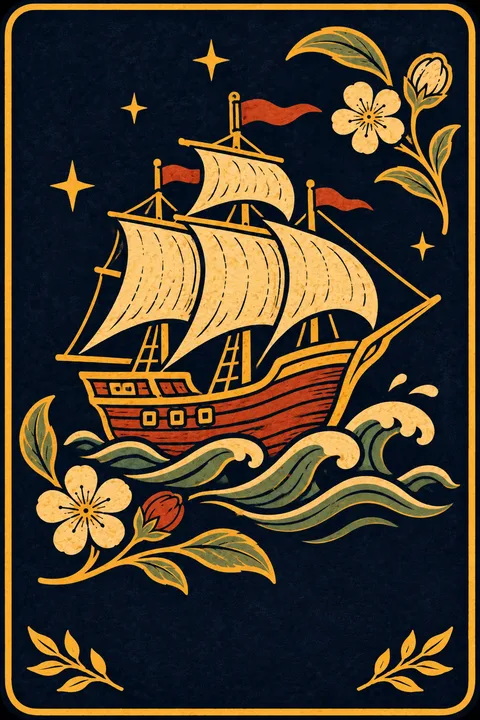
Lenormand is a 36-card deck from 19th-century Europe. Each card shows an everyday symbol, such as Rider, Clover, Ship or Key. The meaning comes from how neighboring cards combine, usually in short lines of three or in the full 36-card Grand Tableau. Readings tend to be concrete: what is moving, what is in the way, what to look at next. Unlike Tarot, there are no reversed cards and no major or minor arcana. Treat the result as a prompt for reflection, not as a prediction.

Before you turn the first card
Which features are free?
Card meanings, general combinations and standard spreads work without an account. Free drawing allows 1–4 cards; 5–8 requires membership. Sign in for 1 free personal AI reading per day, shared across three-card, cross, nine-card, Grand Tableau, daily and love readings. The allowance resets at 00:00 UTC. Personal AI combinations require membership. Your free account has 3 follow-up uses in total across all days and topics, with at most one use per draw. A question about the same cards uses only one follow-up. A new reading that uses a summary of earlier readings uses both one follow-up and your daily AI reading.
Do I need an account?
Not to draw cards or to read meanings and combinations. Sign in for a personal AI reading, one free per day, and to keep your history on every device.
How is Lenormand different from Tarot?
Lenormand uses 36 plain, everyday symbols, has no reversed cards and reads them by how neighboring cards combine. Tarot has 78 cards with major and minor arcana and reversals. Lenormand readings tend to be concrete and practical; Tarot readings tend to be more symbolic and psychological.
How many cards are in a Lenormand deck?
36. The cards are numbered 1 to 36, from the Rider to the Cross, and each stands for an everyday symbol. A reading can use anything from one card to all 36 in the Grand Tableau.
Can I come back to a reading later?
Yes. When you are signed in, every reading is saved in your history under a matter. You can add notes about what actually happened, draw again for the same matter and ask follow-up questions about earlier cards. Free accounts have 3 follow-up uses in total; members’ AI also takes earlier readings and notes into account.
Can I use cards I already own?
Yes. Choose ‘My physical cards’, then enter each card in its labeled position. Search works with English and German names or the card number.
Can the cards tell me what will happen?
Readings offer symbolic perspectives. They cannot establish hidden facts, another person's feelings or guaranteed future events. Compare the interpretation with your actual situation.
Are my readings private?
Yes. Your readings belong to your account and are only published if you choose to share a link. Deleting a reading also deletes its follow-ups. Without an account, readings stay on your own device.